A task force of Green Maynard
Maynard Assabet River Coalition
About:
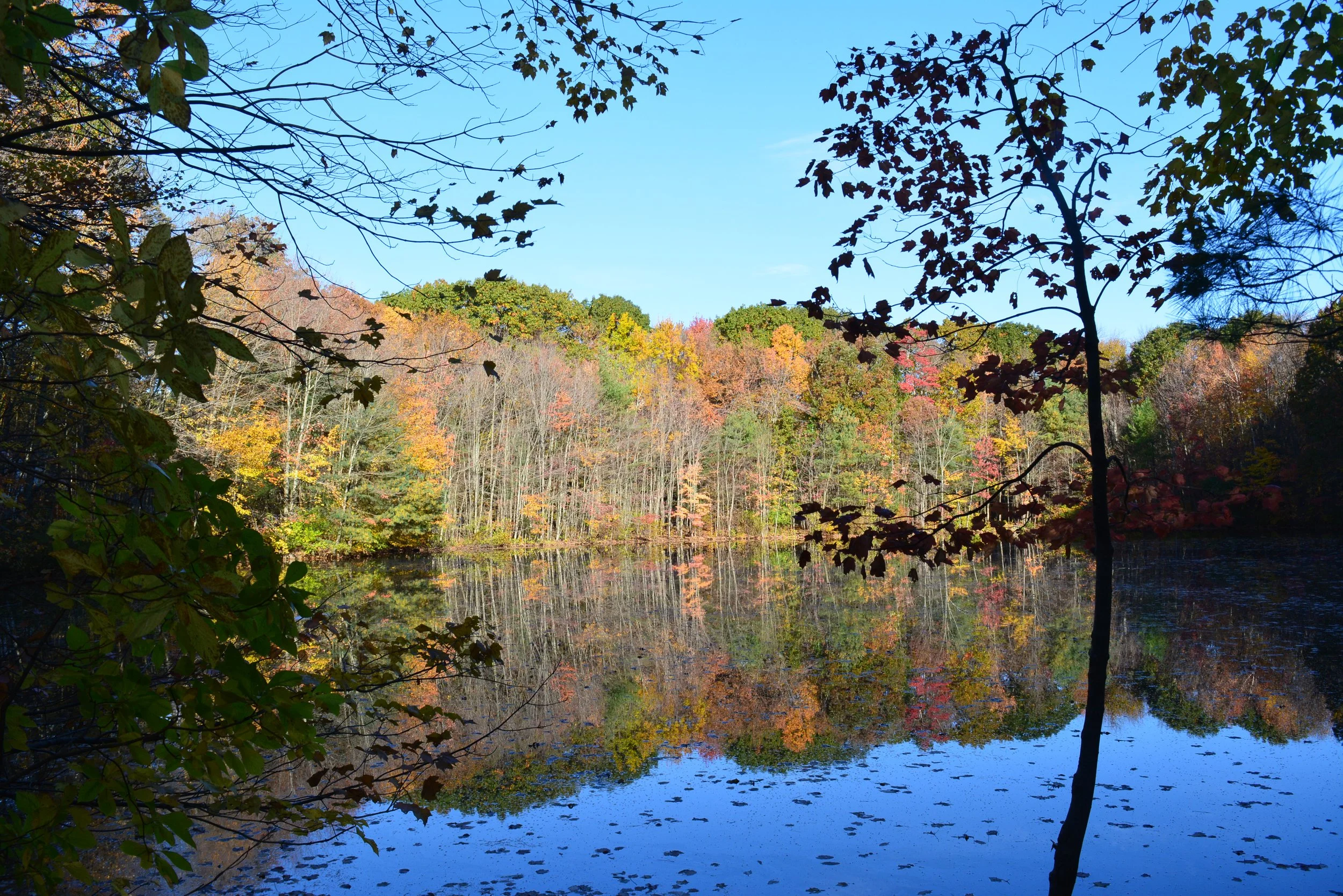
The Maynard Assabet River Coalition (MARC) is a coalition of local organizations and individuals working together to bring the natural beauty of the Assabet River to the forefront of the Town of Maynard. Through education, advocacy, and on-the-ground stewardship—and in close collaboration with OARS and the Maynard Conservation Commission—we aim to implement a far-reaching, cohesive vision for the Assabet in Maynard that protects and promotes local wildlife and biodiversity, improves climate resilience, and elevates the river as a scenic, recreational, and economic asset for the Maynard community for generations to come. If you're interested in volunteering with MARC or have questions, please email maynardassabet @ gmail.com.
DOs and DON’Ts of Wildlife
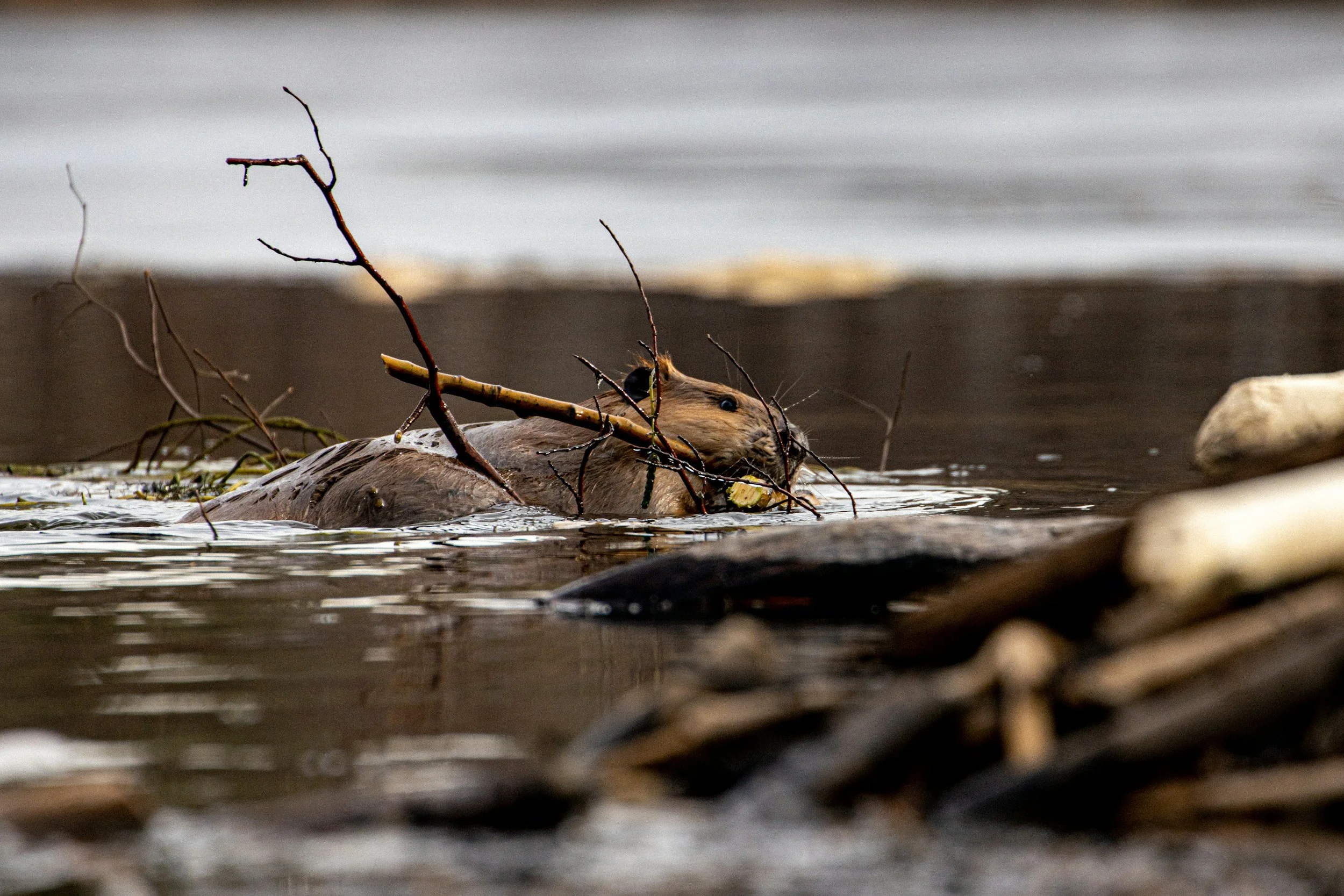
Don't feed wildlife along the river as it can lead to poor nutrition, disease spread, and habituation to humans, which can cause conflicts and harm both the animals and people. It's best to allow wildlife to forage for their own natural food sources (such as native plants) and maintain a safe distance.
If you would like to encourage bird visitors, it’s important to follow best practices. Don't feed birds processed foods like bread or crackers. When birds snack on these kinds of food, they fill up without getting any nutrition. It’s important that they eat natural foods that provide them the right nutrients to keep them healthy. Check out Bird Feeding Best Practices from Mass Audubon, which includes tips for hanging bird feeders.
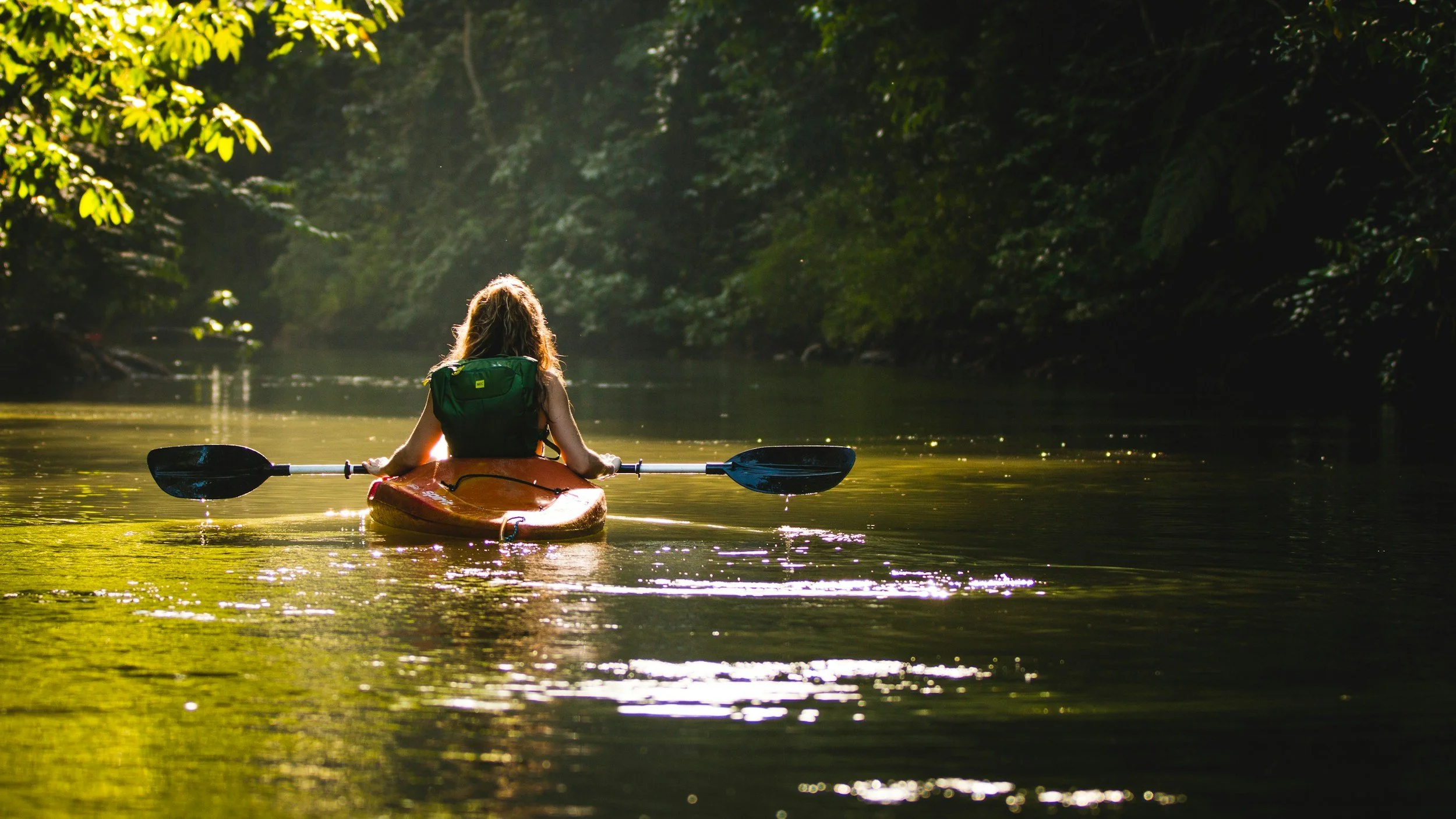
Assabet River Rail Trail: A multi-use trail currently running 3.4 miles between South Acton and Maynard, plus 5.1 miles from Marlborough to Hudson.
Blue-Green Trail: Upstream of Powdermill Dam, this mostly level trail follows the river shoreline and features a boardwalk with observation platform and bench.
Assabet River National Wildlife Refuge: One of eight refuges that make up the Eastern Massachusetts National Wildlife Refuge Complex, this refuge gives visitors acres to explore, wondrous species to observe, and numerous year-round activities, such as hiking, fishing, biking, cross-country skiing, and more. Friends of Woodlands and Waters is an all volunteer nonprofit working in partnership with U.S. Fish and Wildlife to support conservation, recreational, and educational goals in the refuge.
Acton Canoe Launch: A simple access point and parking at Powder Mill Rd, South Acton, for fly fishing and kayaking.
Old High Street Boat Launch: A simple canoe/kayak put in point off High Street, just north of the Powder Mill Dam
White Pond Road Boat Launch: A simple canoe/kayak put in point in Stow
River RATs Community Paddles: Free guided paddles offered by OARS at Ice House Landing; gear and instruction included.
Self-serve kayak rentals: Maynard partnered with Rent.fun to launch a self-service kayak rental program at Ice House Landing
This interactive river recreation map from OARS is an all-in-one tool for exploring the Sudbury, Assabet, and Concord rivers.
Recreation
Contacting Your Conservation Commission
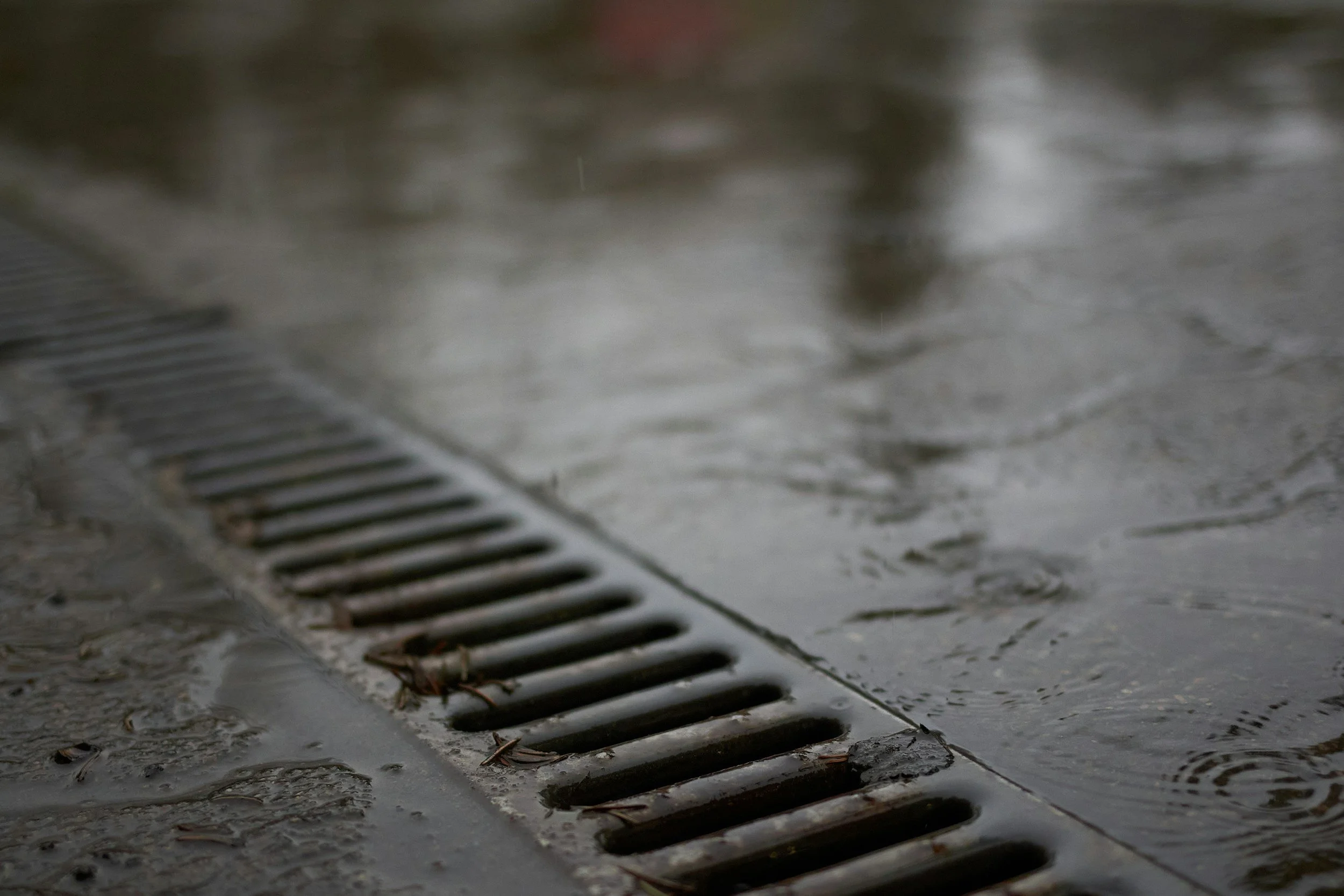
Stormwater Management:
How Your Choices Impact the River
Whether you live along the Assabet River or a mile away, how you treat your property can still affect the river’s water quality through stormwater runoff.
The Assabet is overloaded with nutrients, particularly phosphorus, that encourage unwanted growth of algae on the surface. This detracts from the river’s beauty and depletes oxygen in the water needed by fish and other aquatic organisms to live. When the algae begins to decay later in the summer and fall, it smells bad!
Stormwater is water from rain or melting snow that flows over roofs, pavement, bare soil, and sloped lawns into storm drains or directly into water bodies. As stormwater flows, it picks up soil, animal waste, salt, pesticides, fertilizers, oil and grease, debris, and other potential pollutants. Underground pipes carry stormwater to the nearest waterway, usually with little or no water treatment.
Lawn fertilizers: Through stormwater runoff, lawn fertilizers—which contain phosphorus (P), nitrogen (N), and other nutrients and chemicals—end up “fertilizing” the river, contributing to algal bloom. There are many ways to reduce or eliminate the use of fertilizers. TEXT LINK HERE.
Pesticides: While not all pesticides contain phosphorus, it’s a common additive. Check ingredient labels to identify phosphorus content in specific pesticide products or consider practicing organic gardening.
Herbicides: Glyphosate (found in weed-killing herbicides like Roundup) and its breakdown products (what’s left after it decomposes) can act as a source of phosphorus, contributing to algal blooms. Because glyphosate is designed to disrupt plant biochemical pathways, it can also harm or kill beneficial aquatic plants, disrupting food sources and habitat. It can also be toxic to some aquatic invertebrates, fish, and amphibians, even at low concentrations.
Pet waste: Dog poop is another significant source of excess nutrients and bacterial contamination—including in your own backyard—as the nutrients can get carried into storm drains during rainstorms. Always pick up pet waste, bag it, and put it in a trash can or flush it down the toilet (without the bag).
Food waste: Instead of sending this phosphorus-rich material to your community’s wastewater treatment plant, compost it! Compost will also improve the soil in your garden. Learn more about composting at townofmaynard-ma.gov/247/composting.
Fallen leaves: Autumn leaves are loaded with natural fertilizer, so never dump them in wetlands or waterways. Bag leaves in paper bags for disposal by the town or better yet, use leaves as mulch in your garden or compost them (away from storm drains). Keep paved areas and storm drains clear of leaves so these drains can flow smoothly.
A note about winter salt: Spreading salt on roads and sidewalks in winter helps keep people safe, but road salt can cause problems for waterways long after the snow is gone. Most road salt is sodium chloride—also known as rock salt. It’s inexpensive and effective, but when snow melts, the salty water washes into nearby streams, rivers, and ponds. Too much salt in the river can harm fish, frogs, and other wildlife and kill plants in riparian areas.
While some communities are starting to look for better options, such as using liquid brines that require less salt or installing pavements that let water drain away before it freezes, you can help by choosing alternatives such as sand that can improve traction without adding salt to the environment. By supporting these approaches, you can help protect the Assabet while still staying safe in winter.
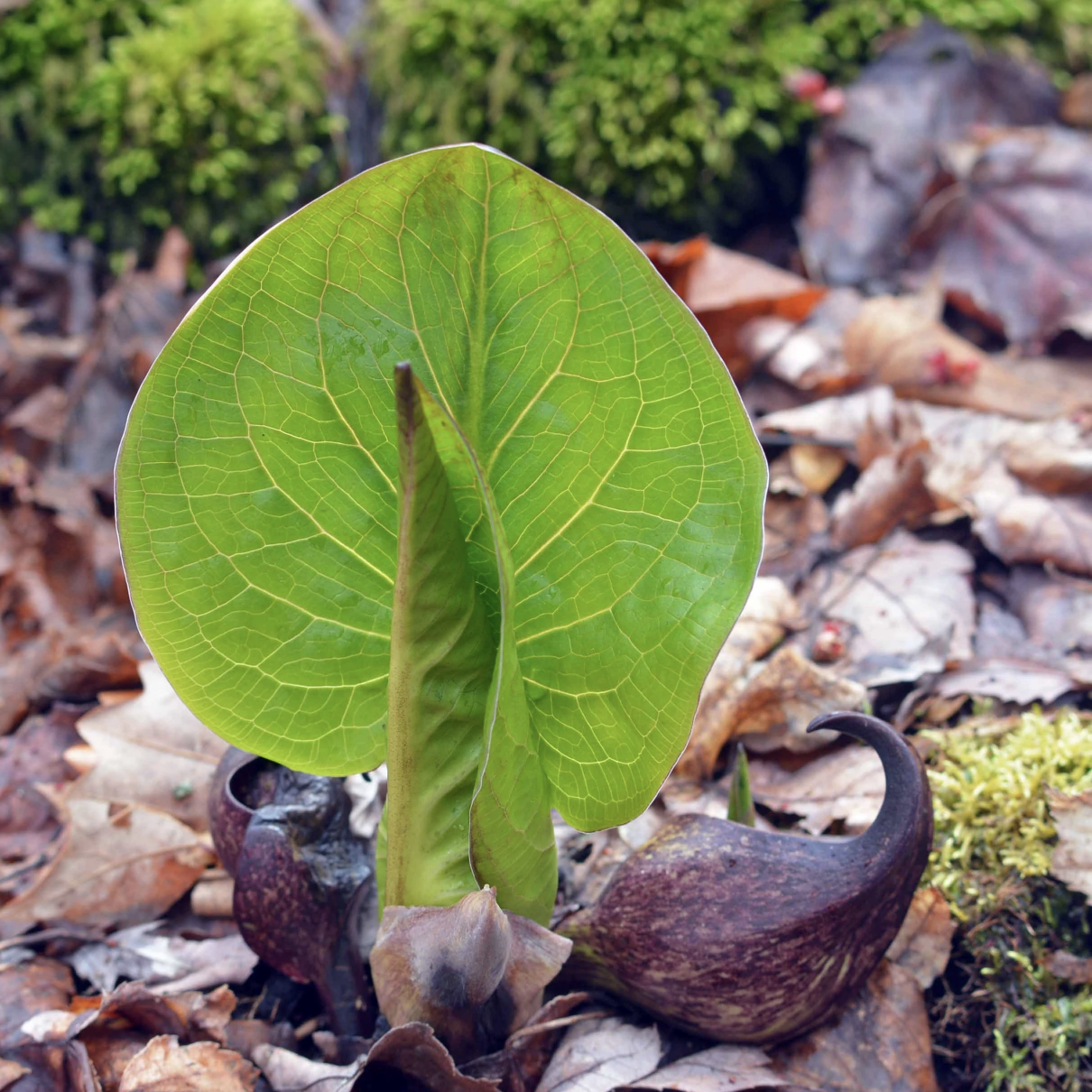
Native & Invasive Plants
Native plants support pollinators such as hummingbirds, bees, and butterflies and create a foundation for the entire local food chain. Many insects eat only native plants as larvae, and most birds rely on insects for part of their lives. Even backyard seed-eating birds like chickadees and finches raise their young almost exclusively on caterpillars.
Because backyards and lawn grass occupy over 40 million acres of the U.S., homeowners have the collective power to conserve biodiversity with their landscaping choices. Replacing lawns with native plants and avoiding yard chemicals are important ways to strengthen local ecosystems, one backyard at a time.
Invasive plants were first introduced to our area by humans as landscape specimens or, in some cases, accidentally. Because they did not evolve in our region, the natural mechanisms that normally control these species in their home ranges don't exist. As a result, these non-native plants can out-compete, displace, and kill our native species.
More than 2,200 plants have been documented in Massachusetts, and some 725 of them are non-natives that are considered naturalized (established). Of those, 72 plant species have been scientifically categorized by the Massachusetts Invasive Plant Advisory Group (MIPAG) as "Invasive," "Likely Invasive," or "Potentially Invasive."
These invasive species have been banned for importation, propagation, and sale in Massachusetts by the MA Department of Agricultural Resources.
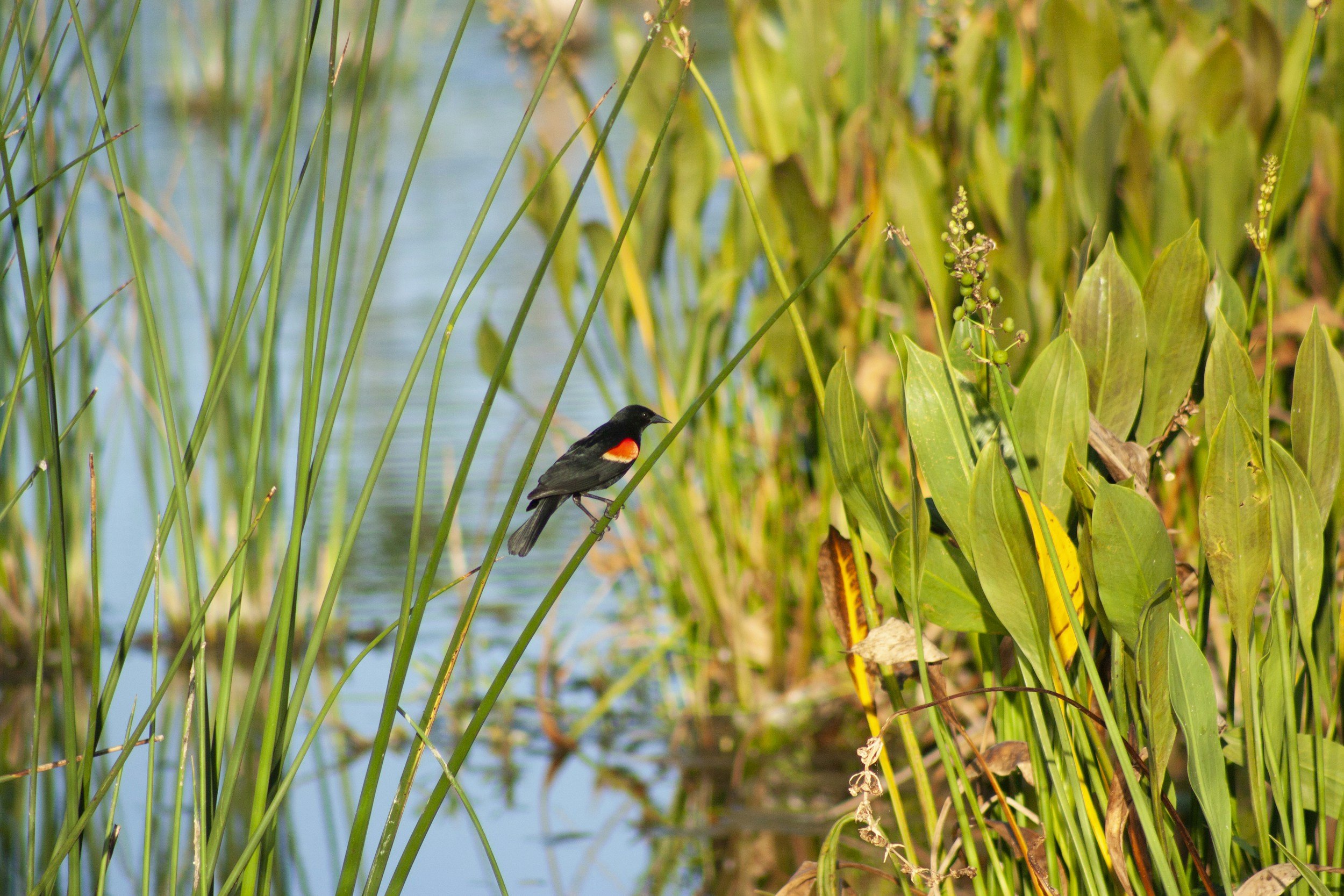
The Massachusetts Wetlands Protection Act protects important water-related lands such as wetlands (“swamps”), floodplains, riverfront areas, and other areas from destruction or alteration. Before removing a lot of invasive plants or making other alterations to a property near any of these areas, contact your town's Conservation Commission. Under the Massachusetts Wetlands Protection Act, a permit is required for altering the land within the 100 foot buffer zone or within 200 feet of any perennial (year-round) stream—and your town's bylaws may be stricter than state law.
Your town's Conservation Commission can also provide guidance on removal methods to protect water resources. Removing a lot of invasive vegetation too quickly can open up space for other invasives to take over, cause the riverbank to collapse due to soil erosion, and disrupt wildlife habitats before better alternatives are in place.
Get Involved
The Maynard Assabet River Coalition hosts educational programming and supports initiatives around river stewardship to promote this natural resource in the town of Maynard an beyond. If you're interested in volunteering with MARC or have questions, please email maynardassabet @ gmail.com.

The mission of OARS is to protect, improve, and preserve the Sudbury, Assabet, and Concord Rivers and watershed for all people and wildlife. A 501(c)(3) nonprofit watershed organization located in Concord, it was founded by concerned river users in 1986. Anglers, hunters, hikers, birders, conservationists, and paddlers banded together to “Clean up our Assabet” by forming the Organization for the Assabet River (OAR). They added the Sudbury and Concord rivers in 2011, becoming OARS.
From water quality testing to invasive-species removal to donating to their mission, there are plenty of ways to volunteer with OARS.